
Introsea Talkshow Series #7 : Turning Indonesia’s Tropical Seaweeds into High-Value Products for Global Markets

2026-11-17
What if a material left behind during seaweed processing could become an ingredient that helps food manufacturers reduce sodium? Or a familiar green seaweed could offer new possibilities for food, nutrition, and health innovation?
These possibilities reflect the expanding potential of Indonesia’s tropical seaweeds beyond conventional applications. From established hydrocolloids to the recovery of valuable processing by-products and emerging research into marine bioactive compounds, different pathways are opening up opportunities to develop products for international markets. Yet translating these innovations into commercial success requires more than promising research or abundant resources.
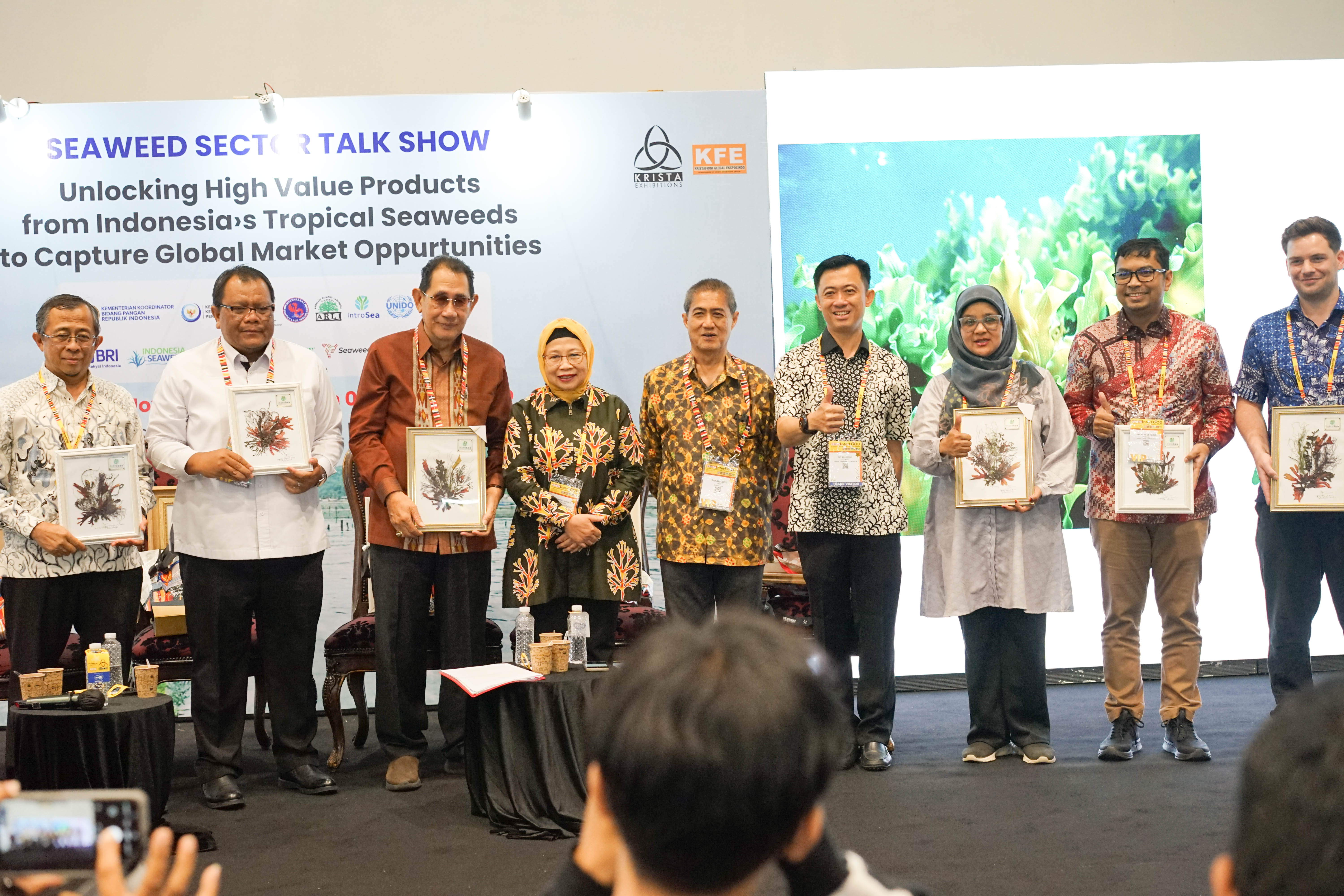
These opportunities were explored at INTROSEA Talkshow Series #7, held on 4 November 2026 during KRISTA InterFOOD 2026 at NICE PIK 2, Indonesia. Under the theme “Unlocking High Value Products from Indonesia’s Tropical Seaweeds to Capture Global Market Opportunities”, the discussion brought together government representatives, industry leaders, and researchers to examine how innovation, industrial capabilities, and collaboration could strengthen Indonesia’s participation in global seaweed markets.
The event also marked a collaborative initiative involving three Indonesian seaweed associations: INTROSEA, ASTRULI, and ARLI, reflecting a shared commitment to advancing the country's seaweed industry. Across the discussions, one important distinction became clear: developing high-value products is only part of the opportunity. Capturing value in global markets also depends on consistent quality, appropriate processing technologies, market-oriented innovation, and stronger connections between producers, researchers, and industry.
A Strong Production Base, but Greater Value Still to Capture
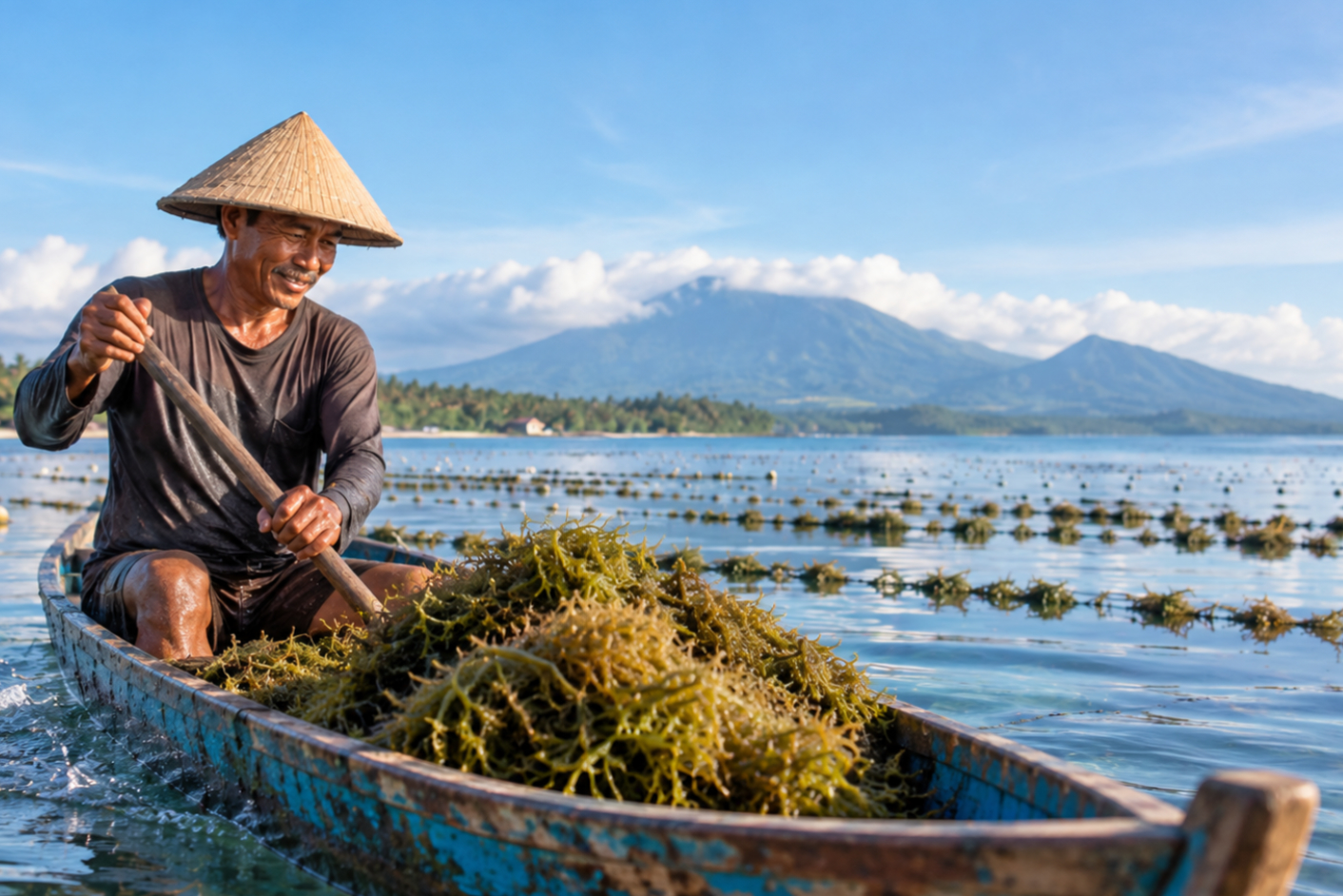
Indonesia's production capacity provides an important foundation for industrial development. During the keynote address delivered by Budi Yuwono, representing the Ministry of Marine Affairs and Fisheries (KKP), it was reported that Indonesia produced approximately 11.65 million tonnes of seaweed in 2025, an increase of 18.27% compared with the previous year.
However, production growth has not been fully matched by progress in downstream processing. According to figures presented during the keynote, approximately 58.5% of Indonesia's seaweed exports were still in dried form. This highlights an important challenge. While dried seaweed remains a significant export commodity, further processing can create opportunities to capture additional value through ingredients, specialised extracts, and finished products.
The keynote also highlighted challenges in cultivation quality, post-harvest handling, industrial capacity, and market development. Improving the consistency of raw materials is particularly important because downstream manufacturers require reliable specifications to produce ingredients that meet industrial standards. For Indonesia, strengthening its position in global markets therefore involves more than increasing supply. It also requires improving the quality, consistency, and commercial value of the products entering those markets.
From Production Volume to an Integrated Industry
Turning this ambition into reality requires coordination across the seaweed value chain. Moh. Rahmat Mulianda, Director of Marine and Fisheries at the Ministry of National Development Planning/Bappenas, discussed the implementation of the Integrated Seaweed Development Action Plan (ISDAP) 2026–2030.
The action plan provides a framework for connecting cultivation, industrial development, financing, research, market access, and governance. It also emphasises the importance of moving beyond separate programmes towards more coordinated implementation involving government institutions, businesses, researchers, associations, and development partners. Three transformations were central to his presentation:
- Volume to Value: Moving beyond production quantity towards productivity, quality, and greater economic value.
- Commodity to Industry: Expanding from raw material trading into processing, innovation, and diversified industrial applications.
- Fragmentation to Integration: Connecting stakeholders and programmes so that upstream and downstream development reinforce one another.
These shifts underline a fundamental point: downstream development cannot succeed through processing facilities alone. It depends on the availability of appropriate raw materials, investment, technology, skilled people, and access to markets. ISDAP 2026–2030 offers a common framework for addressing these interconnected needs. Its effectiveness, however, will depend on how its priorities are translated into coordinated actions and measurable results.
Strengthening Indonesia's Position in the Hydrocolloid Industry
While new seaweed applications continue to attract attention, some of the most immediate opportunities lie in industries that are already commercially established. This was emphasised by W. Farid Ma'ruf, Ph.D., from the Indonesian Seaweed Association (ARLI), who discussed Indonesia's potential to become a stronger player in the global hydrocolloid industry.
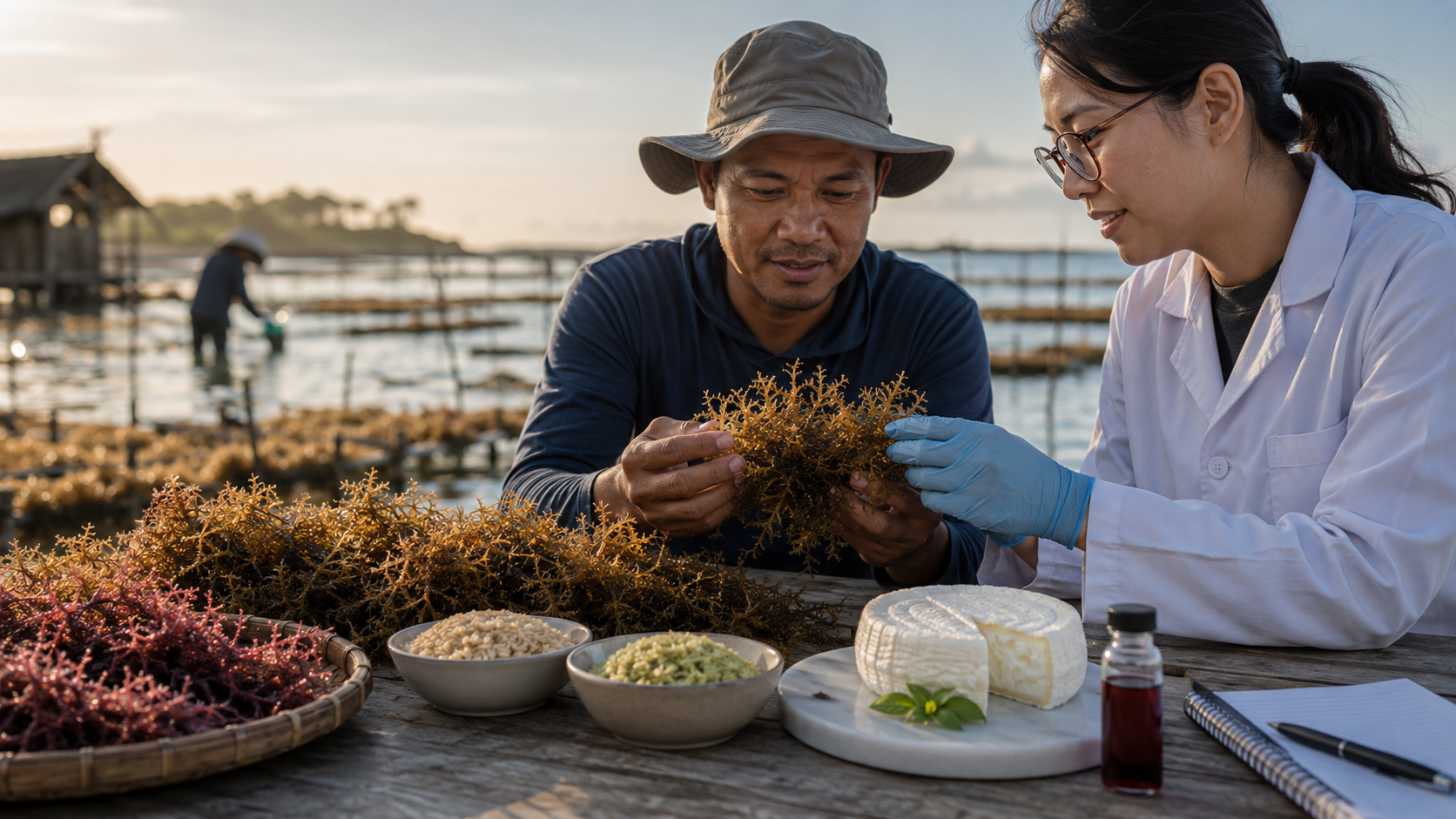
Hydrocolloids are ingredients used to thicken, stabilise, or modify the texture of products. Seaweed-derived hydrocolloids, particularly carrageenan, agar, and alginate, have applications across food and beverages, pharmaceuticals, cosmetics, and other industries. Indonesia's substantial seaweed resources provide a foundation for these markets.
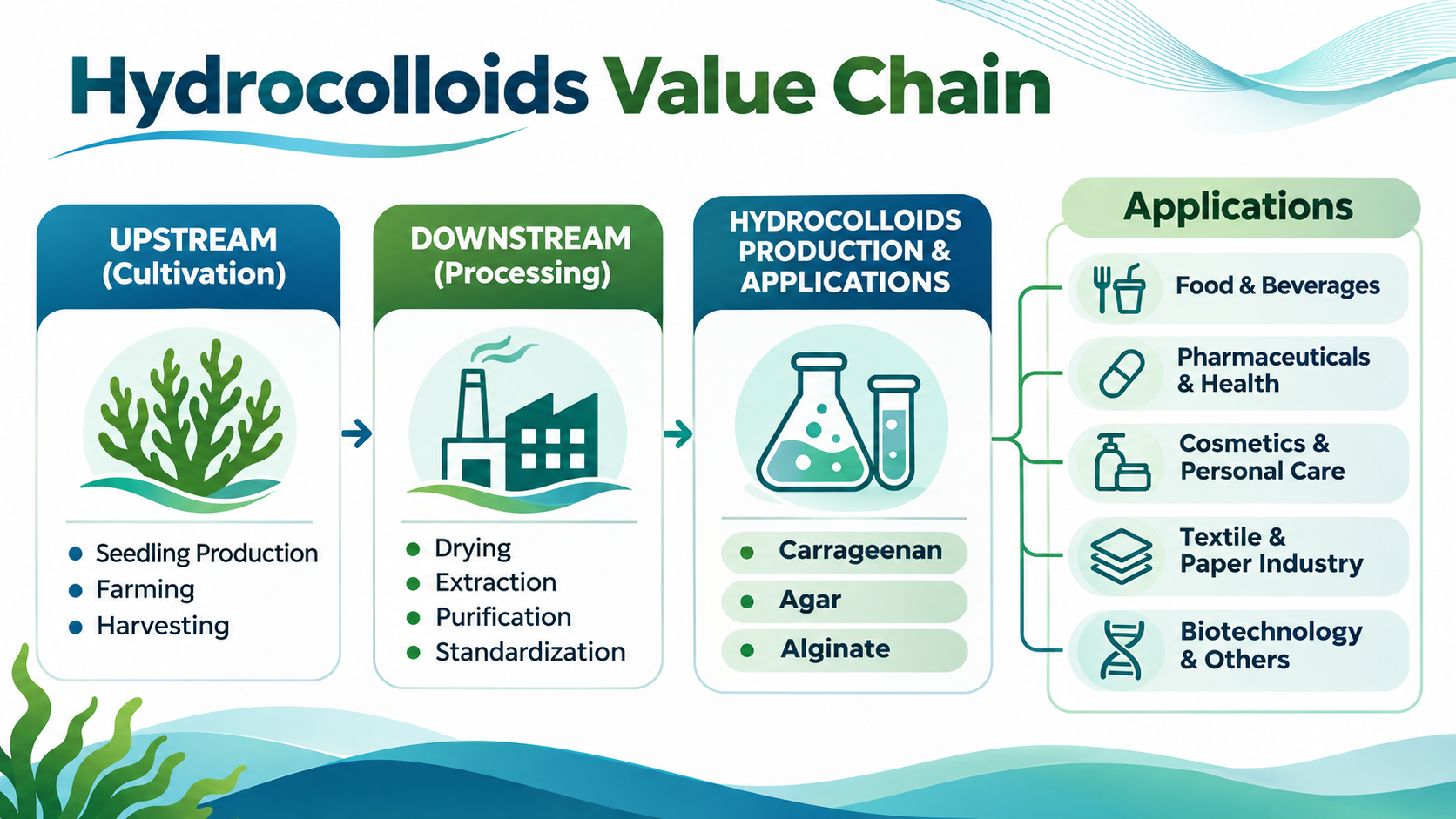
Image 1 : The hydrocolloid value chain connects seaweed cultivation and processing with applications in food, pharmaceuticals, cosmetics, and other industries.
However, Farid highlighted that a strong position in raw material supply does not necessarily translate into an equally strong position in processed hydrocolloid products. He emphasised two essential dimensions: strengthening the value chain to create greater value at each stage of production, and improving the supply chain to ensure consistent, reliable raw material availability.
Beyond processing capacity, he also stressed the need for technical expertise, particularly in hydrocolloid formulation and blending. These capabilities are important for developing ingredients that meet specific industrial requirements rather than supplying products based only on raw material availability. His presentation highlighted the opportunity to prioritise commercially established hydrocolloids while continuing research into newer applications. For Indonesia, this suggests that innovation should not be understood only as developing entirely new products. Improving the performance, quality, and market suitability of existing products can also create meaningful economic value.
Turning Seaweed Side Streams into Valuable Food Ingredients
Another perspective came from Daniel Siebert, Co-Founder and CEO of Plantsalt, who presented an approach to creating value from materials that might otherwise be underutilised. His presentation focused on the potential to recover potassium salts from seaweed processing side streams and refine them into food-grade potassium chloride (KCl).
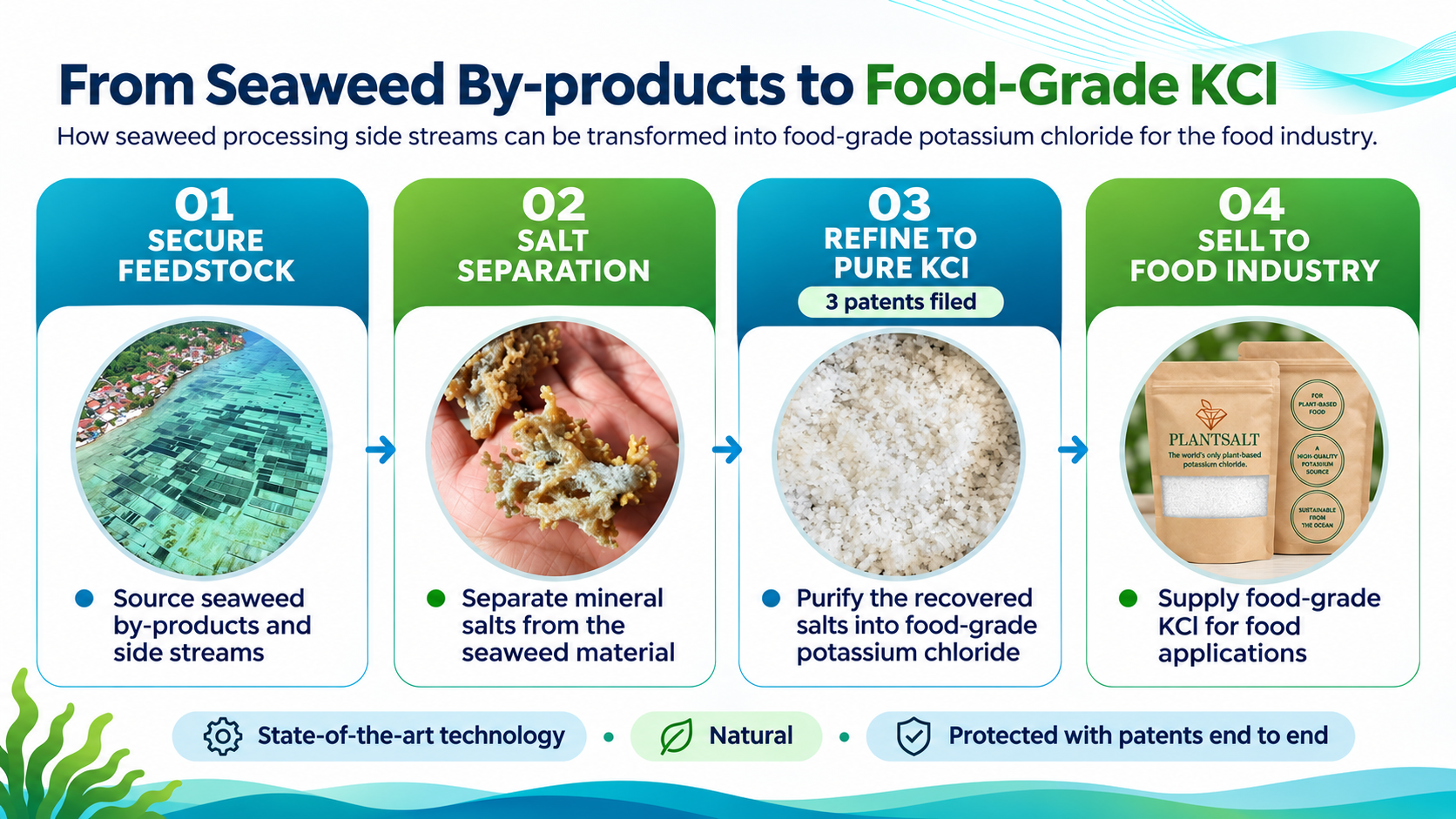
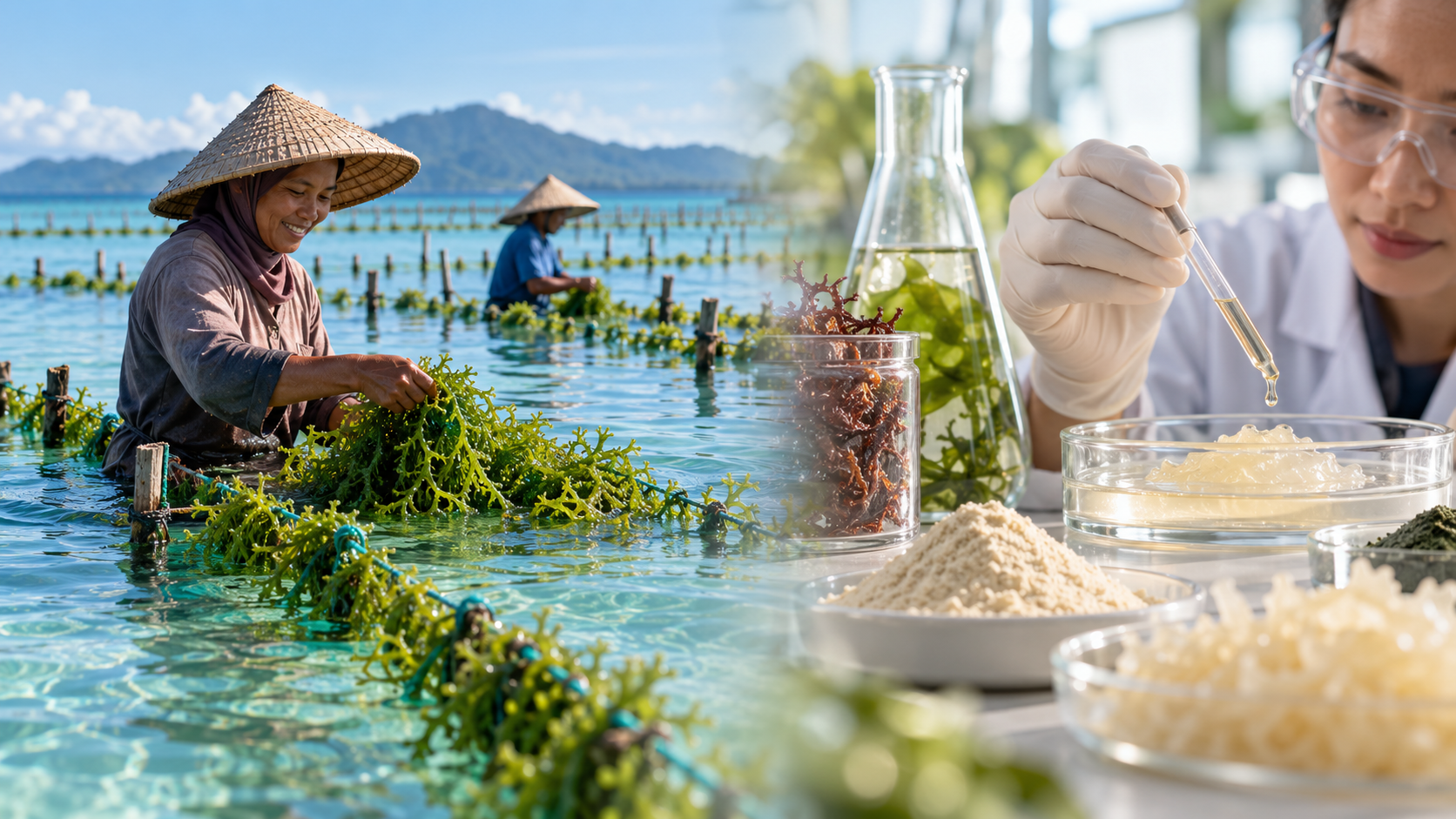
Image 2 : Plantsalt is developing a process to transform seaweed processing side streams into food-grade potassium chloride for reduced-sodium food applications.
Potassium chloride is used in food manufacturing as a partial replacement for sodium chloride, helping manufacturers develop products with reduced sodium content. Traditionally, commercial potassium chloride is obtained from mineral resources through mining. Plantsalt is developing an alternative approach that uses potassium-containing materials from seaweed processing. The concept involves recovering these materials and refining them into ingredients suitable for food applications. This creates two potential benefits. First, it offers another source of potassium chloride for the food industry. Second, it provides an opportunity to create economic value from a material stream associated with existing seaweed production and processing.
Daniel also discussed the importance of taste. Conventional potassium chloride can introduce bitterness into food formulations, and he described the possibility of using naturally occurring compounds associated with seaweed to help address this challenge. Plantsalt outlined its ambition to develop production in Indonesia, linking local seaweed resources with the growing market for sodium-reduction ingredients. Although the technology remains an emerging commercial opportunity, the broader principle is significant: higher-value seaweed innovation may come not only from the main harvested biomass, but also from making better use of materials generated along the supply chain.
Exploring Ulva as a Resource for Future Food Innovation
Beyond Indonesia's established commercial seaweed species, researchers are also investigating the potential of less widely developed marine resources. One example is Ulva, a genus of green seaweed commonly known as sea lettuce. Prof. Dr. Emma Rochima, S.Pi., M.Si., from Universitas Padjadjaran, presented research exploring the potential of Indonesian Ulva for food and functional ingredient development.
Ulva is widely distributed across marine environments and is recognised for its relatively rapid growth and nutritional composition. Depending on the species and growing conditions, it can contain carbohydrates, dietary fibre, protein, minerals, and bioactive compounds. The research presented included studies of Ulva collected from coastal locations in Pameungpeuk, West Java, and Bolok, Kupang, East Nusa Tenggara. These studies explored differences in chemical composition and the extraction of ulvan, a sulphated polysaccharide found in Ulva.
Ulvan has attracted research interest because of its physicochemical properties and potential biological activities. The findings presented also explored extraction techniques and antioxidant activity, contributing to a better understanding of how Indonesian Ulva might be used in future applications. Potential food applications include seaweed-based ingredients, nutritional fortification, and functional food formulations.
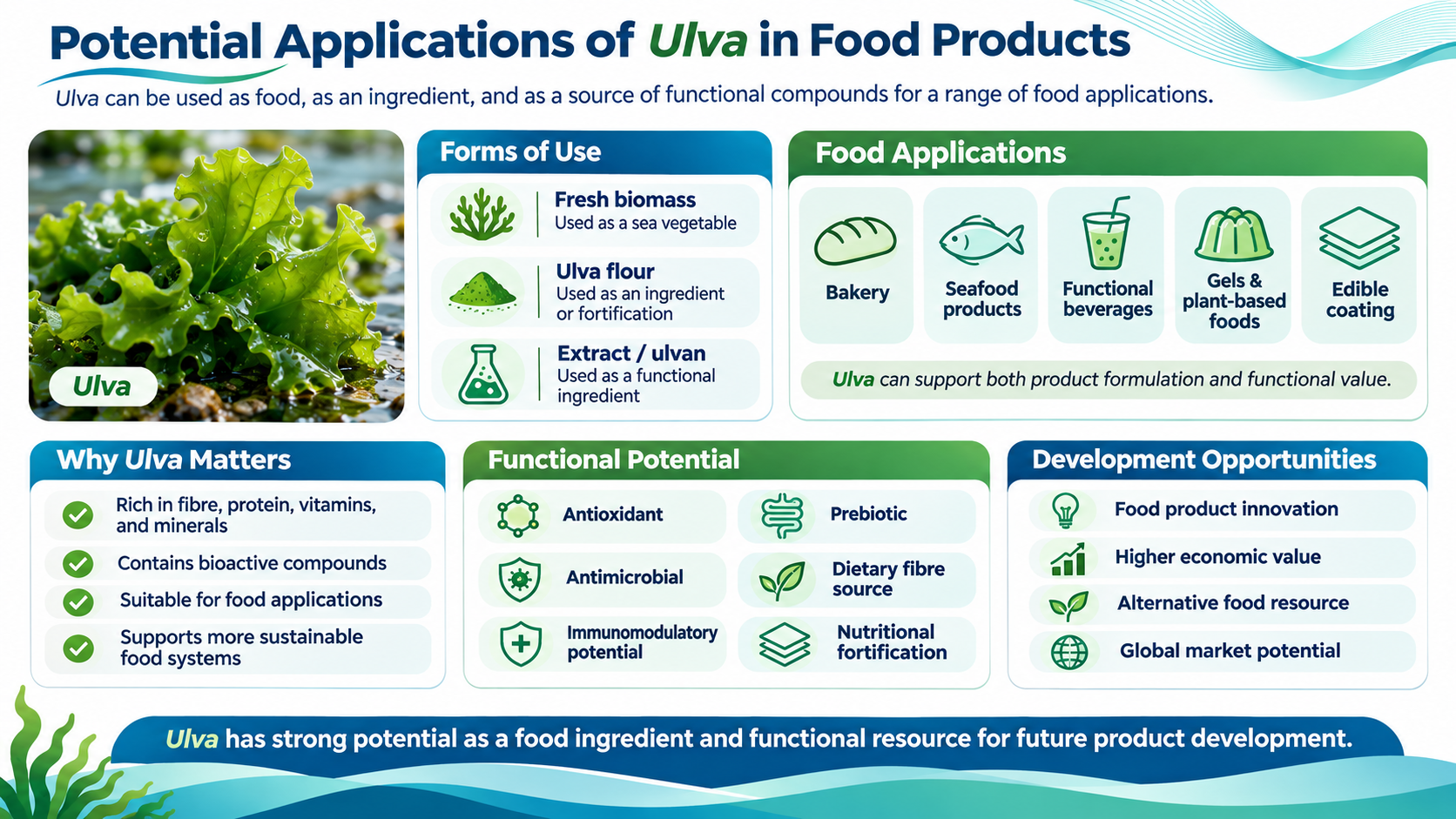
Image 3 : Ulva found along Indonesia's coasts is being studied for its nutritional composition, bioactive compounds, and potential food applications.
However, developing these possibilities into reliable commercial products requires further work on extraction efficiency, product consistency, safety, and suitability for specific food applications. The significance of this research extends beyond one seaweed genus. It demonstrates how Indonesia's marine biodiversity could support a broader portfolio of seaweed-derived ingredients, complementing established products such as carrageenan and agar.
From Marine Bioactive Compounds to Health Innovation
The potential of Ulva extends beyond conventional food applications. In his presentation, Prof. Masteria Yunovilsa Putra, Ph.D., an INTROSEA researcher affiliated with BRIN and Universitas Indonesia, examined the opportunities associated with Ulva-derived bioactive compounds, particularly ulvan.
Research into ulvan has explored potential antioxidant, anti-inflammatory, immunomodulatory, and other biological activities. These findings suggest possible applications in functional foods, nutraceuticals, dermocosmetics, and emerging biomedical technologies. However, an important distinction must be made between promising laboratory findings and proven benefits in humans. Much of the available evidence for ulvan's biological activities remains at the preclinical stage, including laboratory and animal studies. Further investigation is needed to establish safety, efficacy, appropriate applications, and consistent performance.
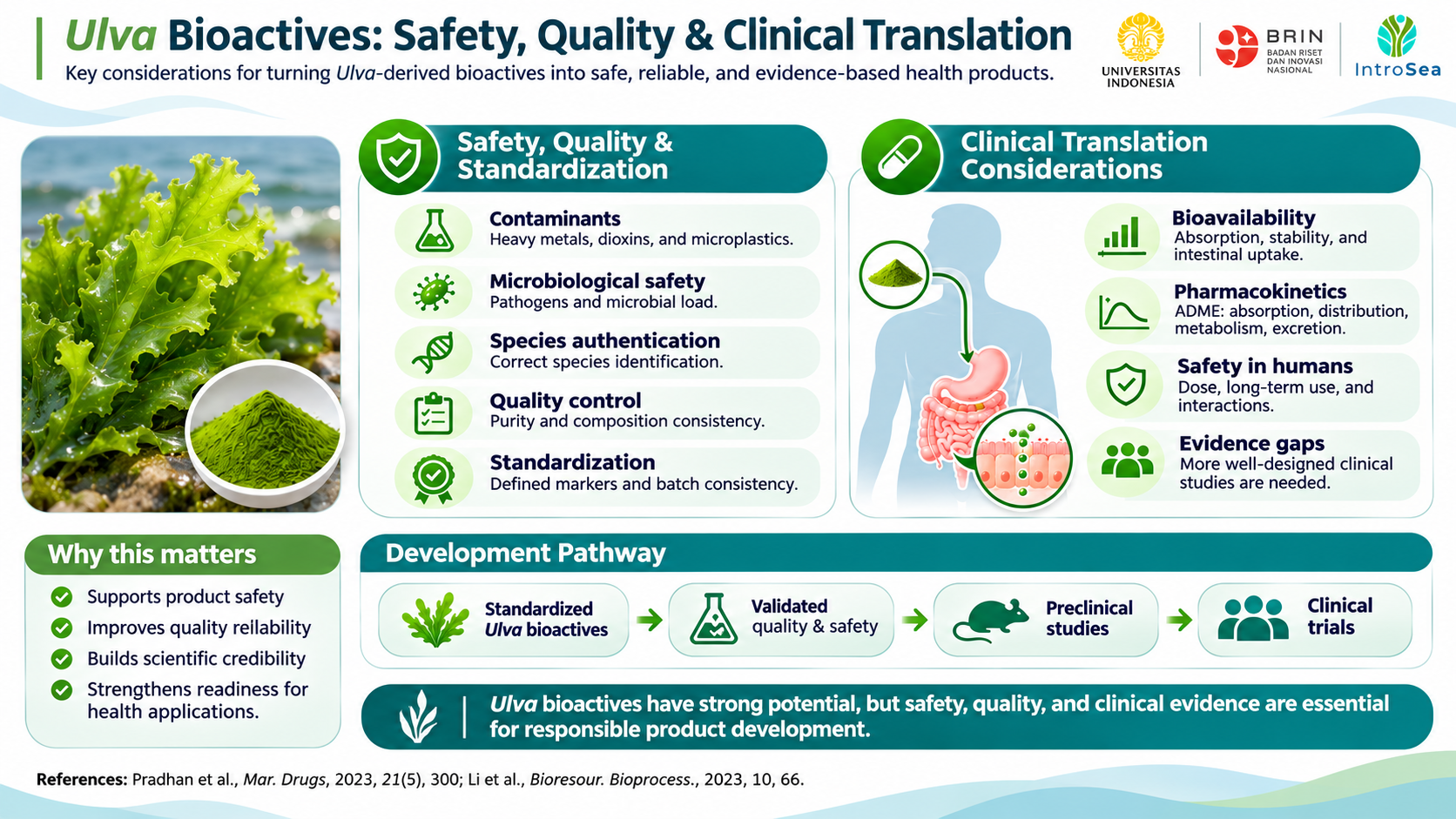
Image 4 : Transforming Ulva bioactives into commercial products requires scientific research, standardisation, safety assessment, and industrial collaboration.
The presentation emphasised the importance of standardisation, contaminant monitoring, quality control, and clinical validation in translating marine bioactive research into products suitable for commercial use. This is particularly relevant for Indonesia. Its marine biodiversity offers opportunities for scientific discovery, but the development of health-related products requires more than identifying potentially useful compounds. It requires a pathway connecting biological resources, extraction technologies, scientific evidence, product formulation, regulatory requirements, and industrial partnerships.
Strengthening these connections could help Indonesia participate in higher-value areas of the marine biotechnology industry while ensuring that product development remains grounded in reliable scientific evidence.
Connecting Innovation with Global Market Opportunities
The discussions at INTROSEA Webinar Series #7 highlighted the different pathways through which Indonesia’s tropical seaweeds can create greater economic value. Established hydrocolloid industries offer opportunities to strengthen existing markets, while innovations in processing by-products and emerging research into Ulva and its bioactive compounds point towards new applications in food, nutrition, and health-related industries.
These pathways, however, are at different stages of readiness. Established industries need consistent raw materials, stronger processing capabilities, and technical expertise. Emerging innovations require further research, investment, and market validation, while health-related applications must also meet rigorous safety, quality, and scientific requirements. What connects them is the need to align innovation with market demand, supported by effective partnerships between producers, researchers, businesses, and policymakers.
By connecting scientific knowledge, industrial capabilities, and market opportunities, Indonesia can strengthen its position not only as a supplier of seaweed resources, but also as a developer of competitive, higher-value products for global markets.
Source: Webinar Series #7 materials from INTROSEA, 4 November 2026.
Contact Person : Secretary General of Introsea, Bapak Didit Adiputra
Other Article
Webinar Introsea Series #6 - One Seaweed Industry, Different Markets: What Indonesia Can Learn from East Asia, Europe, and North America
2026-10-20
Introsea Webinar Series #5 : From Biomass to Bioeconomy Unlocking Higher Value from Indonesia’s Seaweed
2026-09-17
Introsea Webinar Series #4 : Strengthening the Upstream to Unlock Sustainable Seaweed Innovation
2026-08-13