
Introsea Webinar Series #5 : From Biomass to Bioeconomy Unlocking Higher Value from Indonesia’s Seaweed

2026-09-17
2026-09-17
While Indonesia benefits from an expansive marine territory, extensive coastlines and long-established seaweed farming communities, scale alone is no longer enough to drive greater economic value. The next opportunity lies in strengthening the seaweed sector beyond raw commodity exports, with greater emphasis on downstream processing, higher-value products and advanced bioproduct applications.
This shift from scale to value creation was at the centre of INTROSEA Webinar Series #5, “Unlocking the High-Value Economic Potential of Indonesian Seaweed,” held on 28 August 2026. The webinar brought together perspectives spanning biotechnology, aquaculture, phytochemistry, downstream processing and regional sustainability.
Opened by Maria Gigih Setiarti, Seaweed Expert at the INTROSEA Secretariat, and moderated by Hisworo Ramdani, the discussion featured Shandion Santoso, BA MEng, Prof. Ir. Sukoso, M.Sc., Ph.D., Dr Hendra Gunosewoyo, and Muhamad Nour. Across their presentations, one message became increasingly clear. Creating a higher-value seaweed economy will require more than increasing production. It will depend on connecting reliable cultivation with processing, research, industrial demand, market requirements and responsible regional development.
Seaweed as a Feedstock for the Next-Generation Bioeconomy
Shandion Santoso of the University of California, Berkeley opened the discussion by looking at seaweed from a perspective that extends beyond its established food and hydrocolloid markets. His presentation explored whether seaweed could become a feedstock for a new generation of biomanufacturing.
Modern biomanufacturing uses renewable raw materials as inputs for fermentation processes that can produce chemicals and materials used in textiles, coatings, adhesives, bioplastics, specialty chemicals and biofuels. Today, much of this system continues to depend on industrial sugars derived from land-based crops, particularly corn and sugarcane.
That dependence raises a longer-term question as the bioeconomy expands: where will future carbon feedstocks come from? Seaweed presents an interesting alternative. Unlike first-generation agricultural feedstocks, it does not require agricultural land or freshwater and does not directly compete with food crops. Compared with lignocellulosic biomass, seaweed also contains practically no lignin, potentially avoiding some of the separation and detoxification steps associated with terrestrial biomass. Depending on the species, its carbohydrate content can reach approximately 40 to 70 per cent of dry weight, while cultivation can allow several harvests within a year.
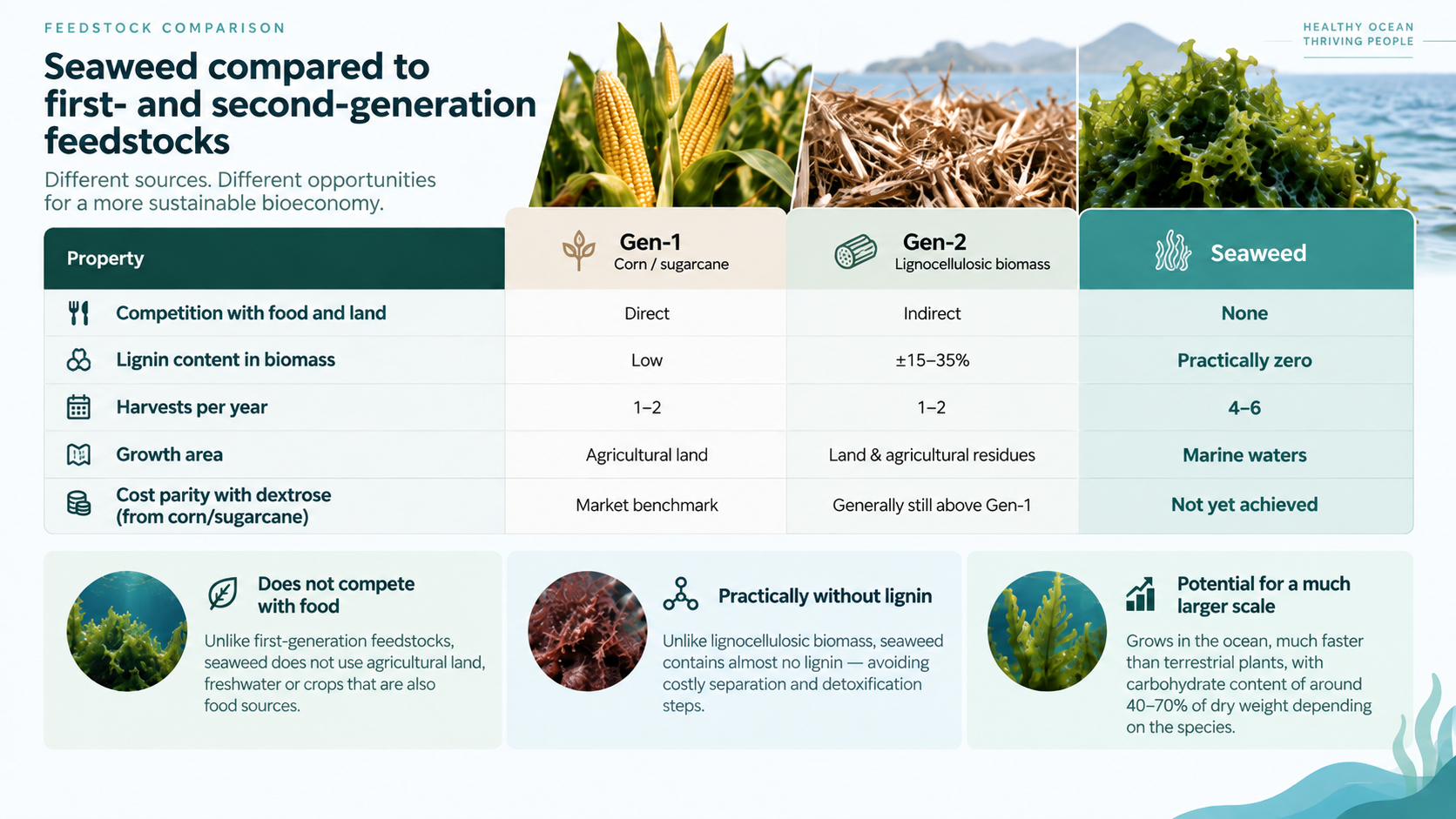
Image 1: Seaweed offers a different feedstock profile from first- and second-generation terrestrial biomass, although commercial parity with established industrial sugars remains a challenge.
However, technical potential alone does not guarantee industrial adoption. Drawing on more than 140 interviews across the seaweed and biomanufacturing value chain, conducted across Asia, the Americas, Europe and Australia, Santoso highlighted a recurring set of commercial requirements. Alternative feedstocks must approach the economics of established dextrose, deliver consistent specifications and be available in a form and volume compatible with industrial processes.
Logistics is equally important. Wet biomass is costly to transport and can deteriorate quickly, making location, timing, moisture content, particle size and processing format critical considerations. Santoso’s findings also highlighted a missing connection in the value chain: a mature biorefinery pathway capable of converting marine biomass into fermentable sugars at industrial scale has yet to be established.
The opportunity, therefore, is significant but conditional. Seaweed may offer a promising new source of renewable carbon, but realising that opportunity will require building the infrastructure, standards and supply reliability that industrial users expect.
Moving from Production Scale to Value Creation
Where Santoso examined seaweed as a future industrial feedstock, Prof. Ir. Sukoso, M.Sc., Ph.D. of Universitas Brawijaya brought the discussion back to Indonesia’s existing production base. Indonesia is already among the world’s largest seaweed-producing nations and, according to the data presented, leads in raw seaweed export volume. Yet this strength in volume does not automatically translate into maximum economic value.
The distinction between volume and value is particularly important because more than 60 per cent of Indonesian seaweed exports still leave the country as raw or dried material. Moving further along the value chain, from raw seaweed to semi-refined and refined carrageenan, agar and alginate, and eventually into advanced applications such as bioplastics, biofertilisers, cosmeceuticals and nutraceuticals, creates opportunities to retain more value within Indonesia. But downstream development cannot be separated from conditions upstream.
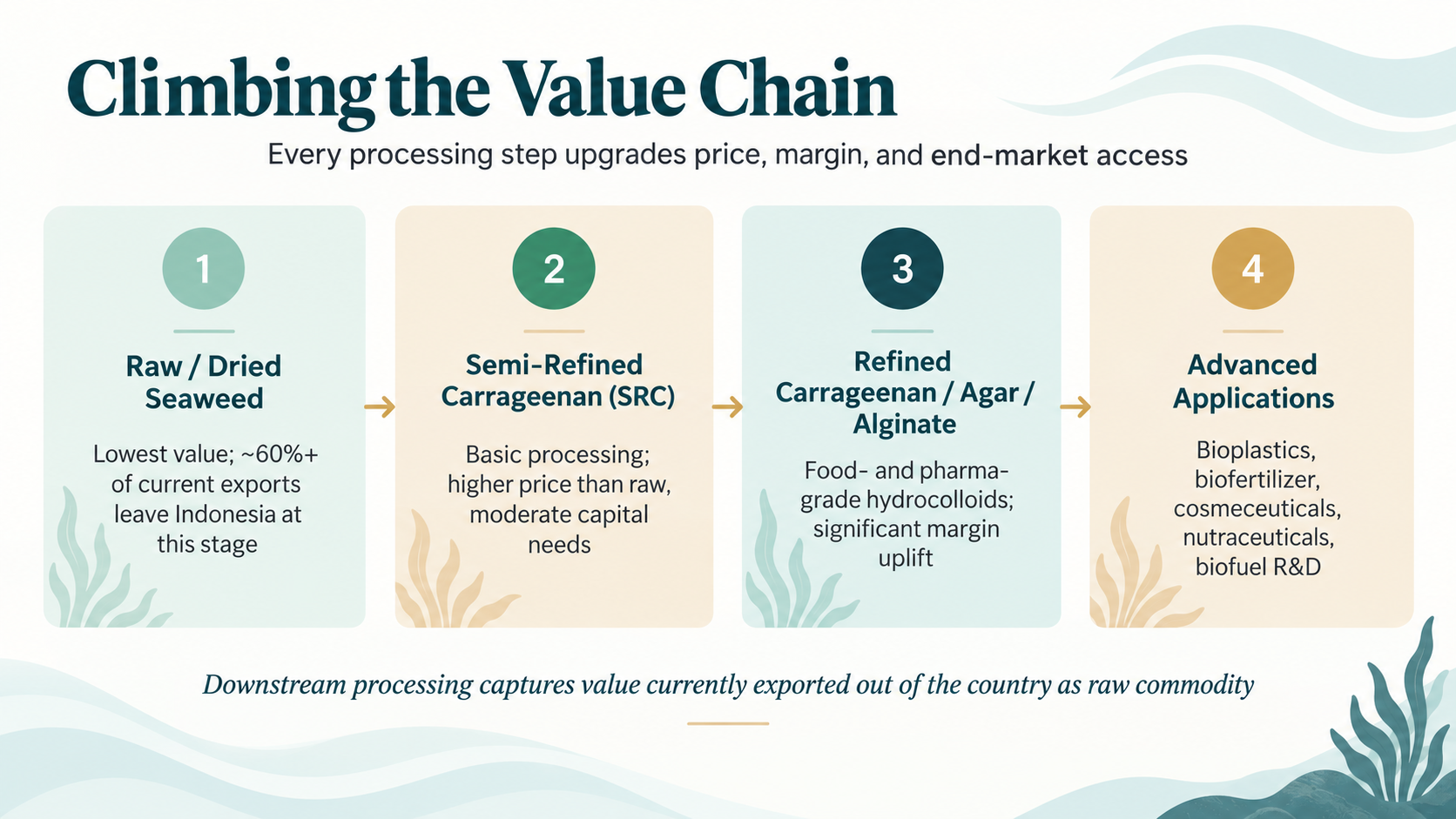
Image 2: Moving further downstream can expand the value captured from seaweed, from raw biomass and hydrocolloids to emerging advanced applications.
Prof. Sukoso highlighted climate and disease vulnerability as significant constraints. Thermal stress and marine heatwaves can affect cultivated seaweed and contribute to disease pressure, including ice-ice disease in Kappaphycus and Eucheuma. Changes in environmental conditions can influence not only production volumes but also characteristics relevant to downstream quality.
Seed quality presents another challenge. Continued vegetative propagation has narrowed the genetic base of some cultivated species, while fragmented smallholder production and uneven quality grading can make consistent industrial supply harder to secure. This means downstreaming is not simply a matter of constructing processing plants. Reliable industrial processing ultimately depends on reliable raw material.
Prof. Sukoso therefore positioned collaboration as a central part of the solution. Academia can strengthen crop improvement, climate-resilient cultivation and quality research. Entrepreneurs can develop processing capacity closer to farming areas and explore higher-value applications. Government can support the ecosystem through clearer licensing, financing, infrastructure, quality seed programmes and market development. Indonesia already has scale. The next opportunity is to turn that scale into greater and more resilient value.
Looking Inside Seaweed for Higher-Value Materials
Moving further downstream, Dr Hendra Gunosewoyo of Curtin University shifted attention from tonnes of biomass to the compounds contained within it. His presentation, “Phytochemicals in Seaweed: Insights into High Value Materials,” illustrated how the economic potential of seaweed can expand when it is considered not only as a commodity, but also as a source of functional compounds and specialised materials.
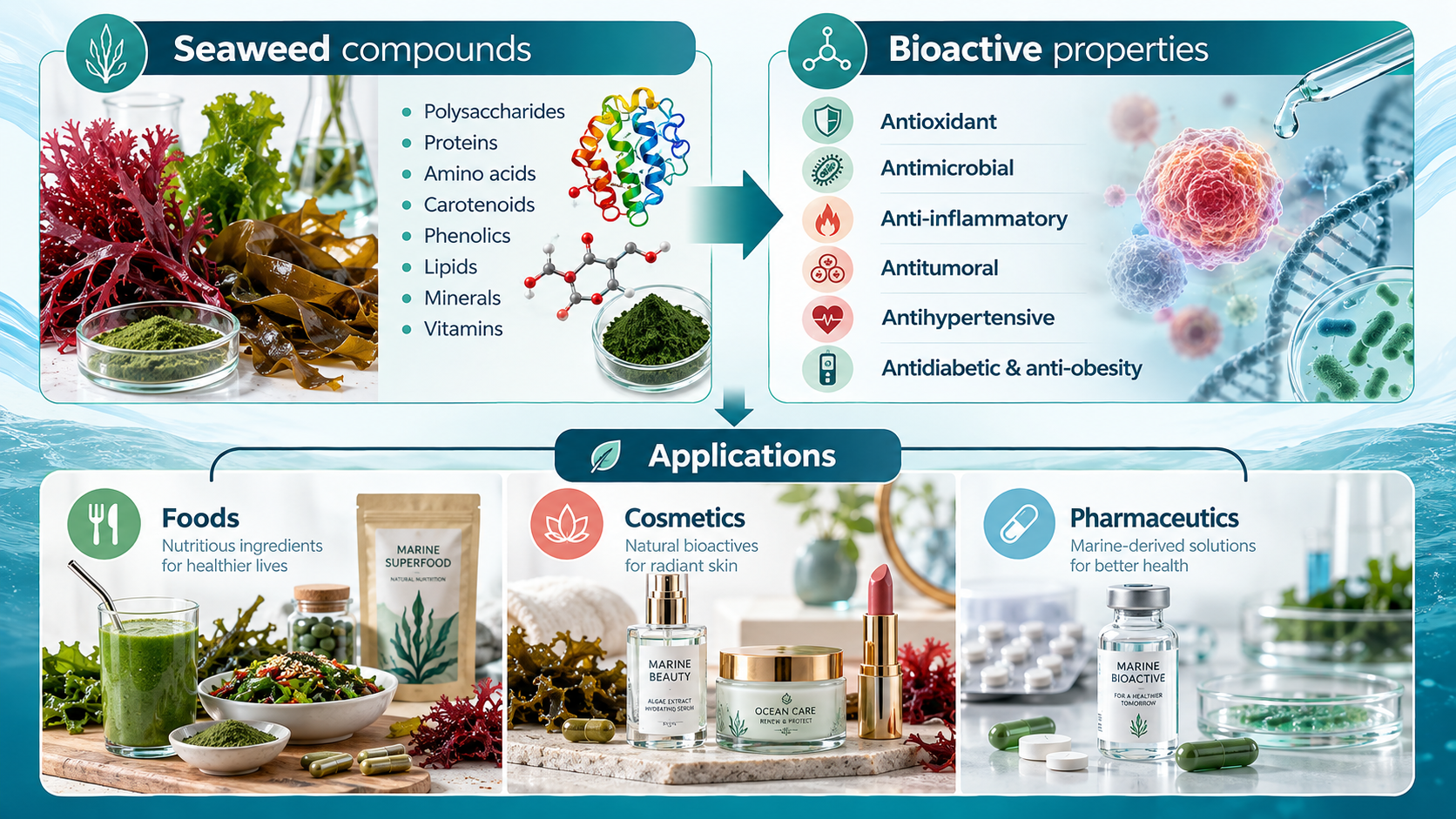
Image 3: Beyond conventional hydrocolloids, seaweed contains pigments, polysaccharides, proteins, fatty acids and other compounds being explored for higher-value applications.
Pigments were one example. Naturally occurring compounds associated with marine biomass can have applications ranging from colouring agents and feed ingredients to specialised biological research tools. The presentation discussed research around improving pigment extraction from macroalgae and also explored the potential interaction between macroalgae and microalgae as sources of valuable compounds.
Astaxanthin was used to illustrate how a natural pigment can extend beyond colour into research on antioxidant and other biological properties. Dr Gunosewoyo highlighted published laboratory studies investigating astaxanthin and related compounds, demonstrating the broader scientific interest surrounding marine-derived bioactive molecules.
The opportunity is also much broader than pigments. His presentation highlighted seaweed-derived or marine-associated compounds including carrageenan, ulvan, fucoidan and alginate, alongside proteins and phycobiliproteins, polyunsaturated fatty acids, glycolipids, carotenoids, polyphenols and terpenoids. Vitamins and minerals represent another area of value, although the presentation also emphasised that safety considerations, including iodine levels and potential heavy-metal contamination, must remain part of product development.
Importantly, Dr Gunosewoyo also connected high-value materials with the circular economy. One example presented was research into recovering astaxanthin from shrimp-shell waste, showing how marine-sector side streams could themselves become resources for higher-value applications. This changes the way the value of marine biomass can be viewed. Instead of asking only how much seaweed can be sold, research can ask what molecules can be extracted, how they can be processed and what new applications they could enable.
Building a Sustainable Industry Beyond National Borders
The final presentation, delivered by Muhamad Nour of the Blue Horizon Seaweed Aquaculture Project at the SEAFDEC Secretariat in Bangkok, widened the lens once again. If Indonesia and its neighbours want to develop a higher-value seaweed industry, economic opportunity must be supported by farming systems that are sustainable, safe and resilient.
Nour introduced regional work to develop practical guidance for sustainable seaweed aquaculture across ASEAN Member States. The initiative combines a Sustainable Seaweed Industry Guide, regional Occupational Safety and Health principles and toolkit, and training and information packages designed to support adoption in practice.
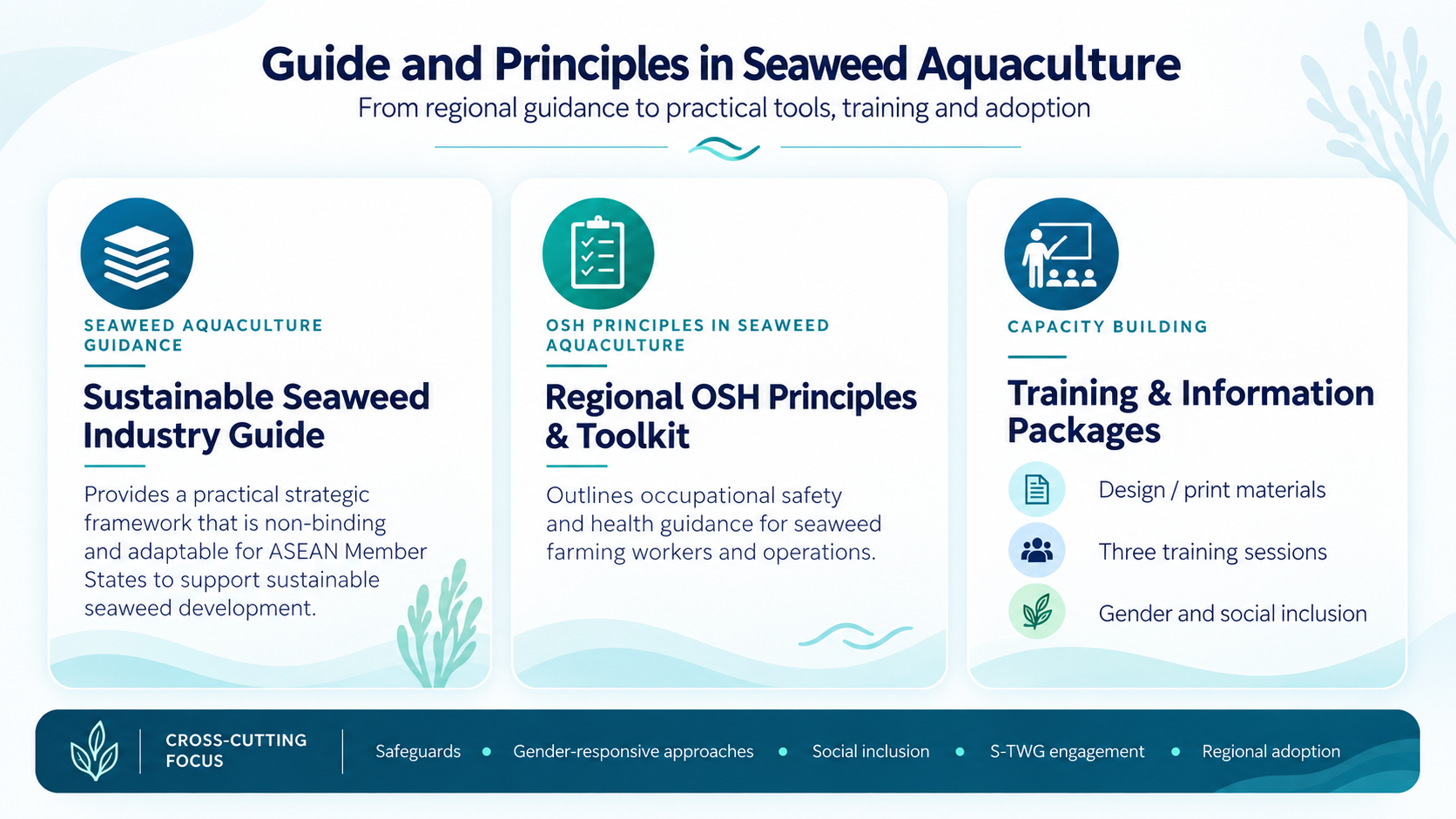
Image 4: The Blue Horizon Seaweed Aquaculture Project combines regional sustainability guidance, occupational safety principles and capacity-building initiatives for ASEAN seaweed practitioners.
The Sustainable Seaweed Industry Guide covers five strategic priority areas. These span sustainable production systems; competitive and value-added seaweed value chains; social inclusion and community empowerment; environmental sustainability, climate resilience and biosecurity; and governance, regional cooperation and strategic partnerships.
Together, these priorities are organised around three broader pillars: economic competitiveness and value-chain sustainability, social inclusion and good governance, and environmental sustainability, climate resilience and biosecurity.
The inclusion of occupational safety is particularly important because the sustainability of an industry cannot be measured only through production statistics or environmental performance. Seaweed farming also involves people working in exposed coastal environments.
The regional principles therefore address practical risks such as severe weather, UV exposure, ergonomics, manual handling, chemical safety and biological hazards. Capacity building completes this approach. The Blue Horizon project plans training and information activities for seaweed practitioners from ASEAN Member States, combining online and offline formats and working with regional partners. In this context, sustainability is not separate from economic development. It is part of the infrastructure required for that development to endure.
Connecting the Pieces of a Higher-Value Seaweed Economy
Taken together, the four presentations revealed that the future value of seaweed is unlikely to come from a single product, technology or market. At the farming level, reliable seed, cultivation practices, climate resilience and post-harvest quality determine what processors receive. At the industrial level, consistent specifications, competitive economics, logistics and processing capacity determine whether biomass can enter new value chains. At the research level, phytochemicals and other marine compounds open pathways towards specialised applications with potentially much greater value per unit of biomass. And at the regional level, standards, worker safety, environmental safeguards, training and cooperation create the conditions needed for growth to remain sustainable.
There is also an important shift in perspective.
Indonesia’s challenge is no longer simply to demonstrate that it can produce seaweed at scale. That capability already exists. The emerging challenge is to connect production scale with quality, processing, science, market demand and long-term resilience. As Indonesia explores downstream processing and the wider blue bioeconomy, the most valuable seaweed may ultimately be defined not only by how much is harvested, but by how effectively every part of that biomass can be transformed into value.
And that transformation begins by treating cultivation, research, processing and sustainability not as separate conversations, but as parts of the same seaweed economy.
Source: Webinar Series #5 materials from INTROSEA, August 28, 2026.
Contact Person : Secretary General of Introsea, Bapak Didit Adiputra
Other Article
Introsea Webinar Series #4 : Strengthening the Upstream to Unlock Sustainable Seaweed Innovation
2026-08-13
Introsea Talkshow Series #3: Mining Green Gold from Indonesia
2026-07-13
Introsea Webinar Series #2 : Transforming Indonesia’s Seaweed Industry for Food Self-Sufficiency and Global Competitiveness
2026-06-12