
Strengthening Regional Cooperation: Highlights from the 15th ASIC Meeting in Tawau

2025-09-22
2025-09-22
In this article, we would like to highlight the key outcomes of the 15th Meeting of the ASEAN Seaweed Industry Club (ASIC), held in Tawau, Sabah, Malaysia. The meeting brought together ASEAN Member States to share progress, challenges, and strategies for strengthening the regional seaweed industry through collaboration, innovation, and sustainable practices.
What is ASIC?
The ASEAN Seaweed Industry Club (ASIC) formed in 1986 is a regional platform under the ASEAN Cooperation in Agriculture and Forest Products Promotion Scheme. It was established to strengthen collaboration among ASEAN Member States (AMS) in advancing the seaweed industry—from farming and processing to trade and sustainability. ASIC plays a central role in coordinating regional strategies, sharing knowledge, and presenting a united ASEAN position in global forums.
ASIC is composed of representatives from all 10 ASEAN Member States:
🔹Brunei Darussalam
🔹Cambodia
🔹Indonesia
🔹Lao PDR
🔹Malaysia
🔹Myanmar
🔹Philippines
🔹Singapore
🔹Thailand
🔹Vietnam
The Philippines serves as the Chair of ASIC, while a Vice-Chair is elected during each meeting.
The 15th ASIC Meeting
The 15th Meeting of ASIC was successfully held on 10–11 September 2025, bringing together government representatives, researchers, private sector leaders, and community stakeholders from across the ASEAN region.
The event opened with messages from key officials and reaffirmed the importance of regional collaboration in advancing the seaweed industry. As part of the agenda, ASIC members presented country updates on seaweed cultivation, trade, and industry development, reflecting the diverse opportunities and challenges faced across the region
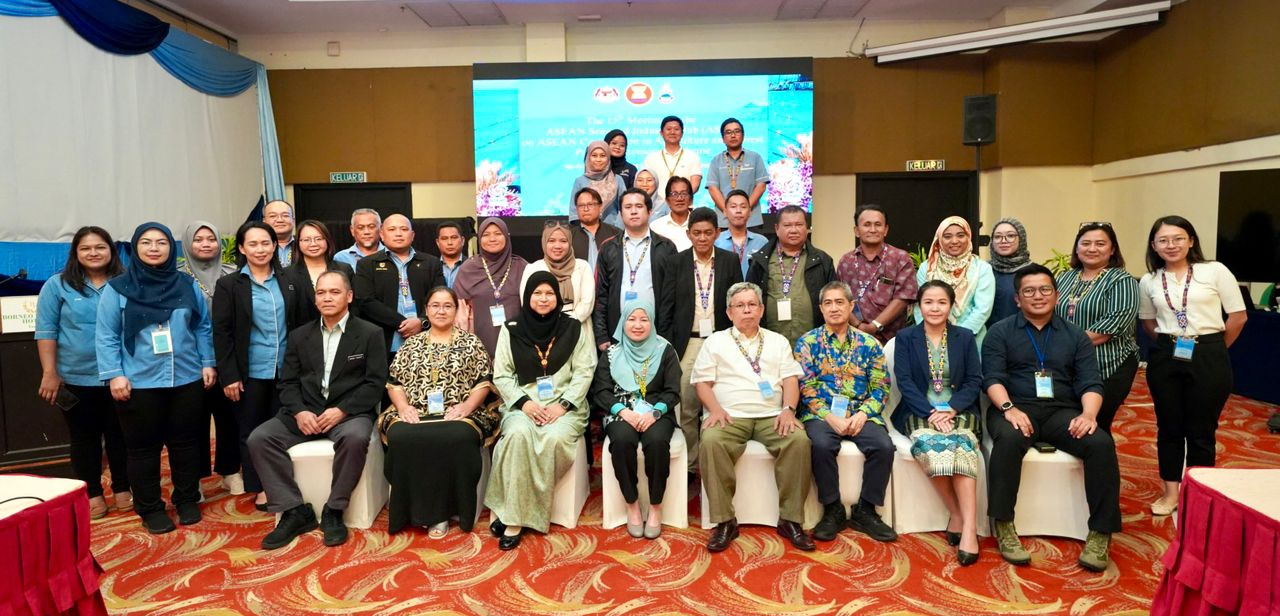
The 15th ASIC Meeting Participants
Malaysia’s Progress
Malaysia highlighted its long history of seaweed cultivation, particularly in Sabah, where over 95% of the country’s production is located. With Kappaphycus and Eucheuma as the main species farmed, seaweed has grown into a vital commodity contributing more than 56% of Malaysia’s aquaculture production in 2022. Challenges remain—ranging from seedling quality and climate impacts to fluctuating prices—but Malaysia is pushing forward with initiatives such as the National Seaweed Empowerment Project, expansion of Aquaculture Industrial Zones (AIZs), and investments in downstream processing.
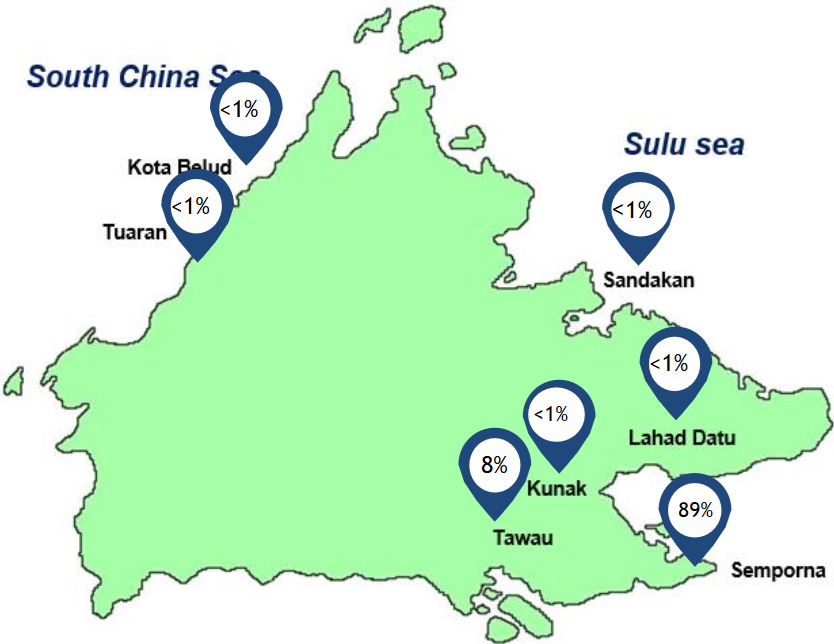
Current status of Seaweed in Sabah
Read the full presentation of Malaysia here : Seaweed Cultivation in Sabah, Malaysia : 1970-2024
Indonesia’s Updates
Indonesia, represented by the Indonesian Seaweed Association (ARLI), emphasized the resilience and adaptability of its seaweed farmers. Local knowledge and community cooperation play a central role in overcoming challenges such as climate change and market volatility. With over 64 processing companies spread across the country, Indonesia continues to lead in global exports, recording more than 262,000 tons of seaweed products exported in 2024 valued at USD 342 million. ARLI also called for stronger regional cooperation on price stabilization, quality standards, and countering negative campaigns against seaweed derivatives.
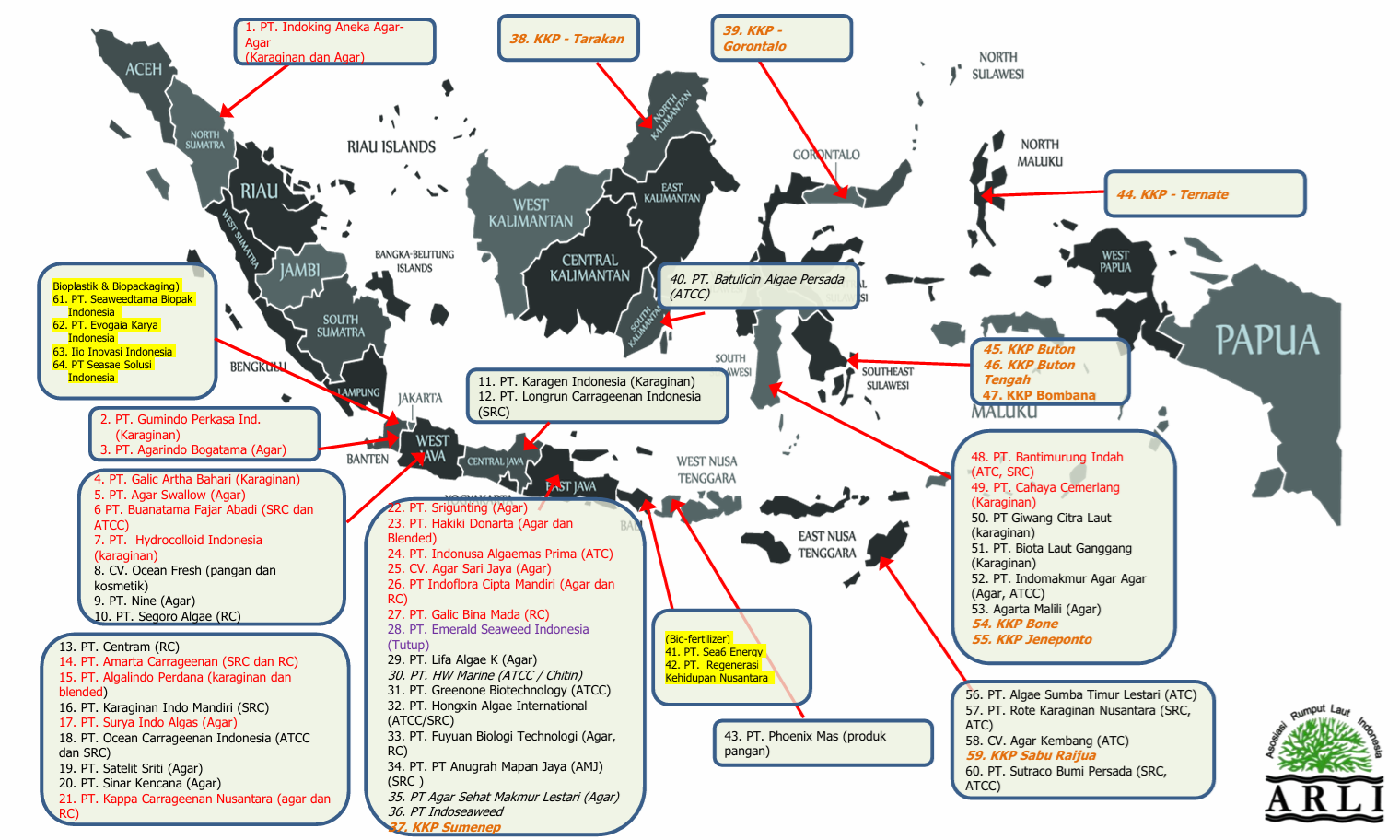
Indonesia Seaweed Processors Distribution Map
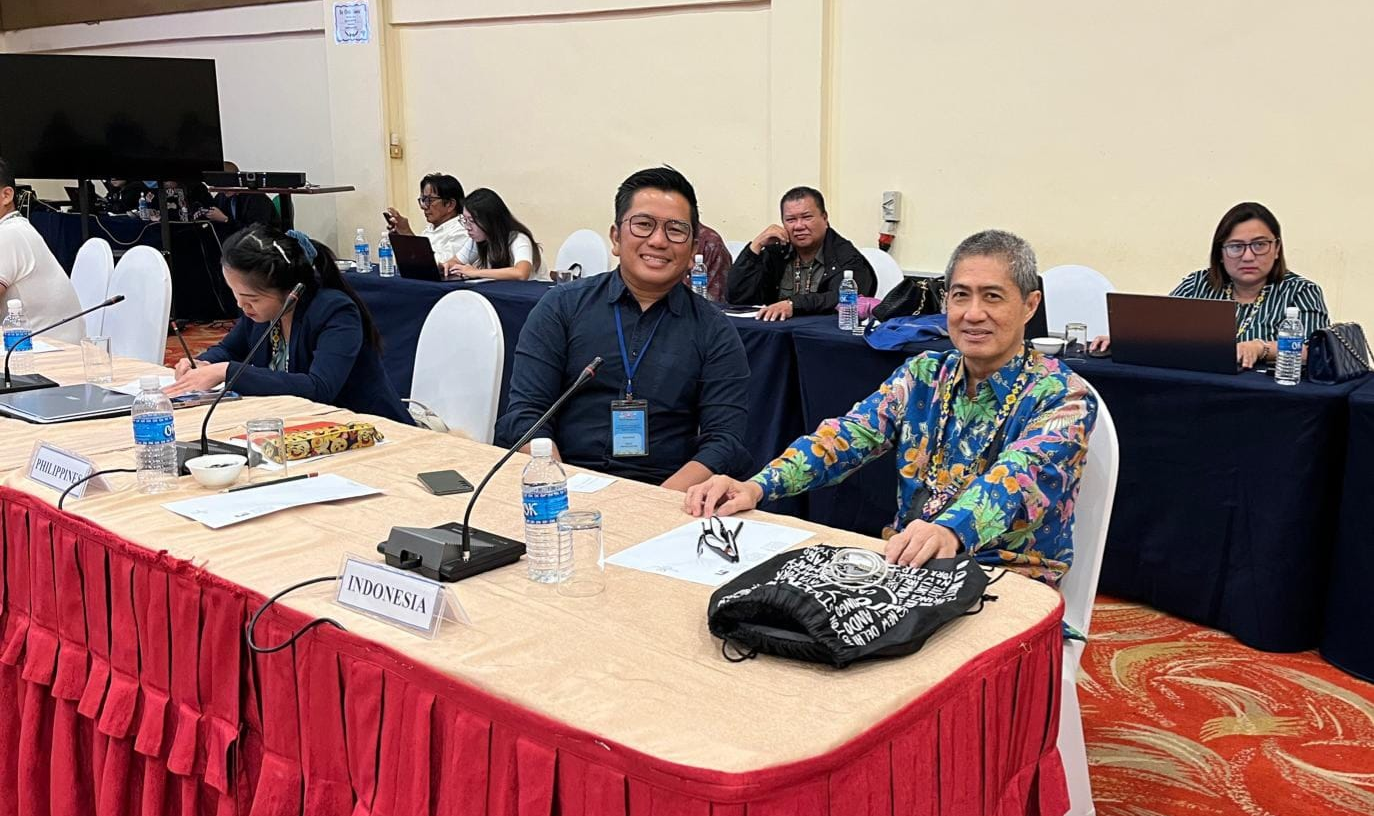
Indonesia Representative. Left Mr Didit Adiputra from private sector and right Mr Safari Azis, President of ARLI
Read the full presentation of Indonesia here : The Latest Development Of Seaweed Industry In Indonesia
Regional Collaboration and SPA 2024–2029
At the heart of the discussions was the Strategic Plan of Action (SPA) 2024–2029, which outlines joint efforts to:
🔹Promote seaweed products in international markets
🔹Counter negative campaigns against carrageenan and other hydrocolloids
🔹Harmonize ASEAN seaweed standards
🔹Expand research on new species and technologies
🔹Strengthen training and capacity building for small-scale farmers
Beyond Cultivation: New Perspectives
The meeting also showcased innovative perspectives, such as the small-scale freshwater weed industry in Lao PDR, where Kai Pen (a Spirogyra-based product) is processed into nutritious sheets for local consumption and niche export. This highlights the broad diversity of algae-based industries across ASEAN and the potential for knowledge exchange.
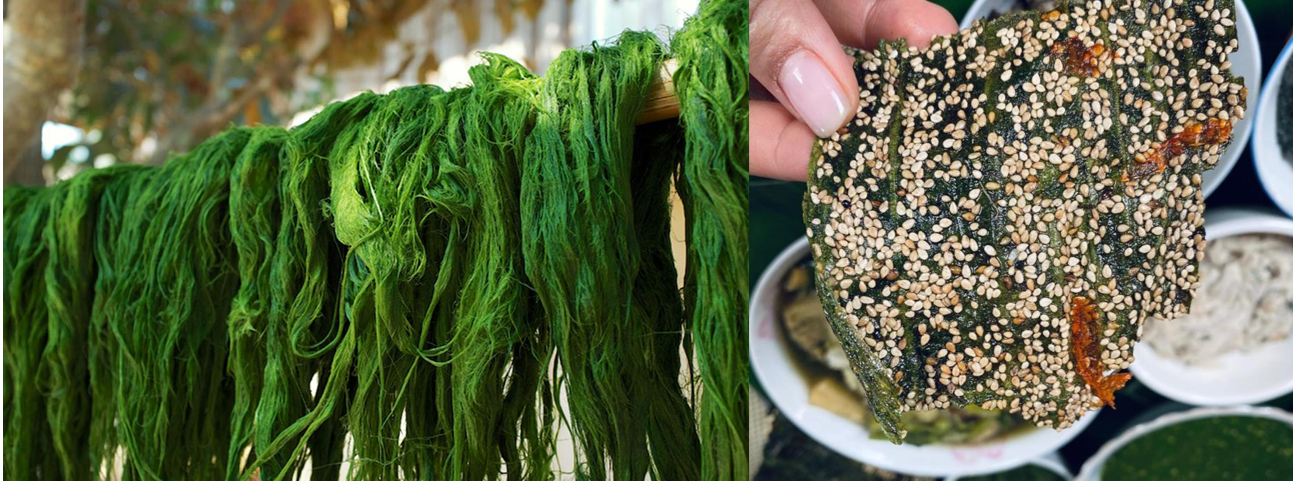
"Kai Pen" is a type of filamentous green algae from the genus Spirogyra
Read the full presentation of Lao PDR here : Freshwater Weed Industry small scale in Lao PDR
Looking Ahead
Participants concluded with a shared commitment to strengthen cooperation, intensify research and development, and advocate for fair trade practices. As the seaweed industry continues to face challenges from climate change to global market dynamics, ASIC stands as a crucial platform for regional solidarity and innovation.
Courtesy of Mr. Didit Adiputra, Founder and CEO of JID Marine
Other Article
Introsea Webinar Series #5 : From Biomass to Bioeconomy Unlocking Higher Value from Indonesia’s Seaweed
2026-09-17
Introsea Webinar Series #4 : Strengthening the Upstream to Unlock Sustainable Seaweed Innovation
2026-08-13
Introsea Talkshow Series #3: Mining Green Gold from Indonesia
2026-07-13